
ABOUT ZIMBABWE
Zimbabwe, a country that surprised us at every turn. From the ancient landscapes of Matobo, to the wildlife of Hwange, the mighty Victoria Falls and the vast waters of Lake Kariba, Zimbabwe offered a diversity of experiences we hadn't expected.
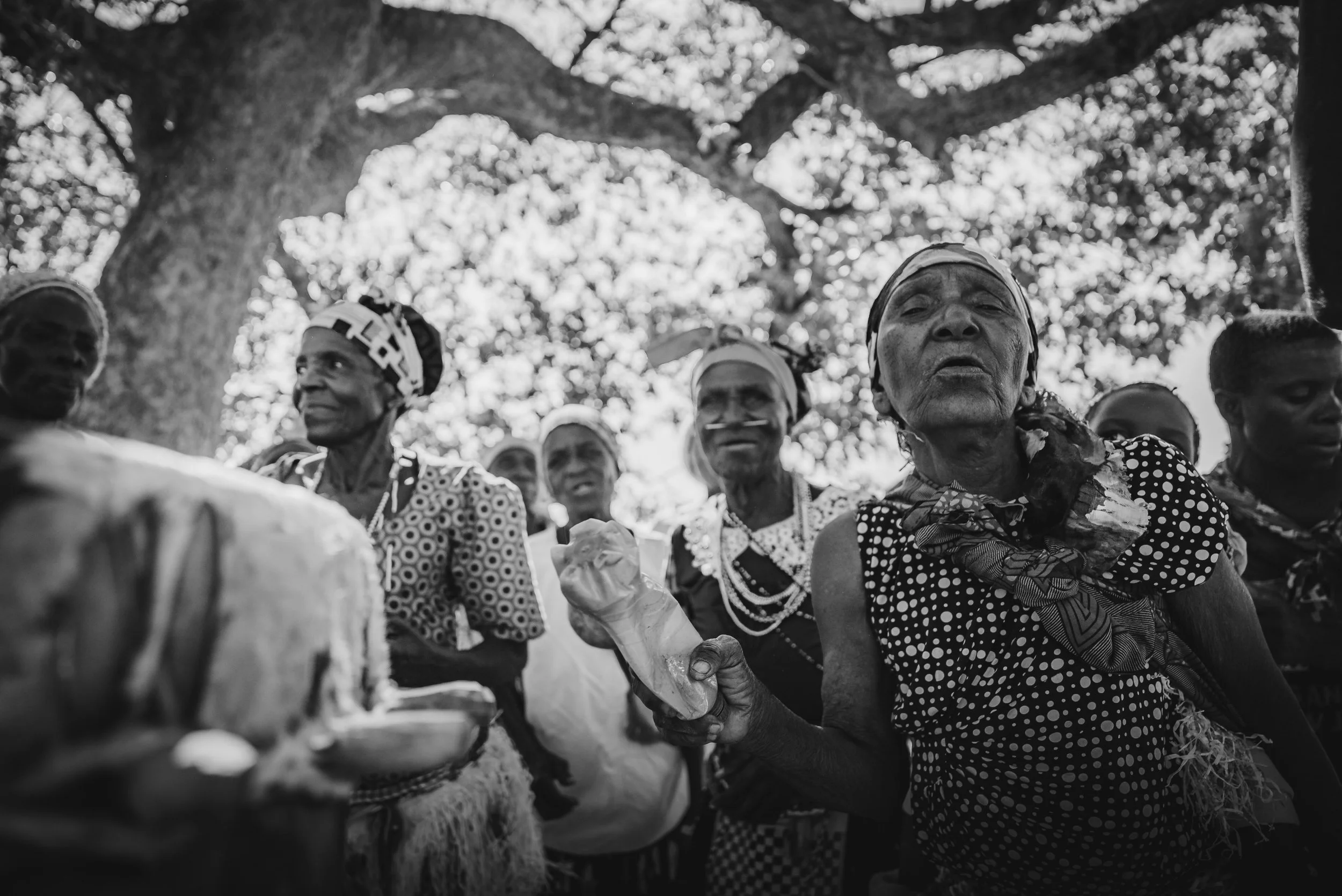
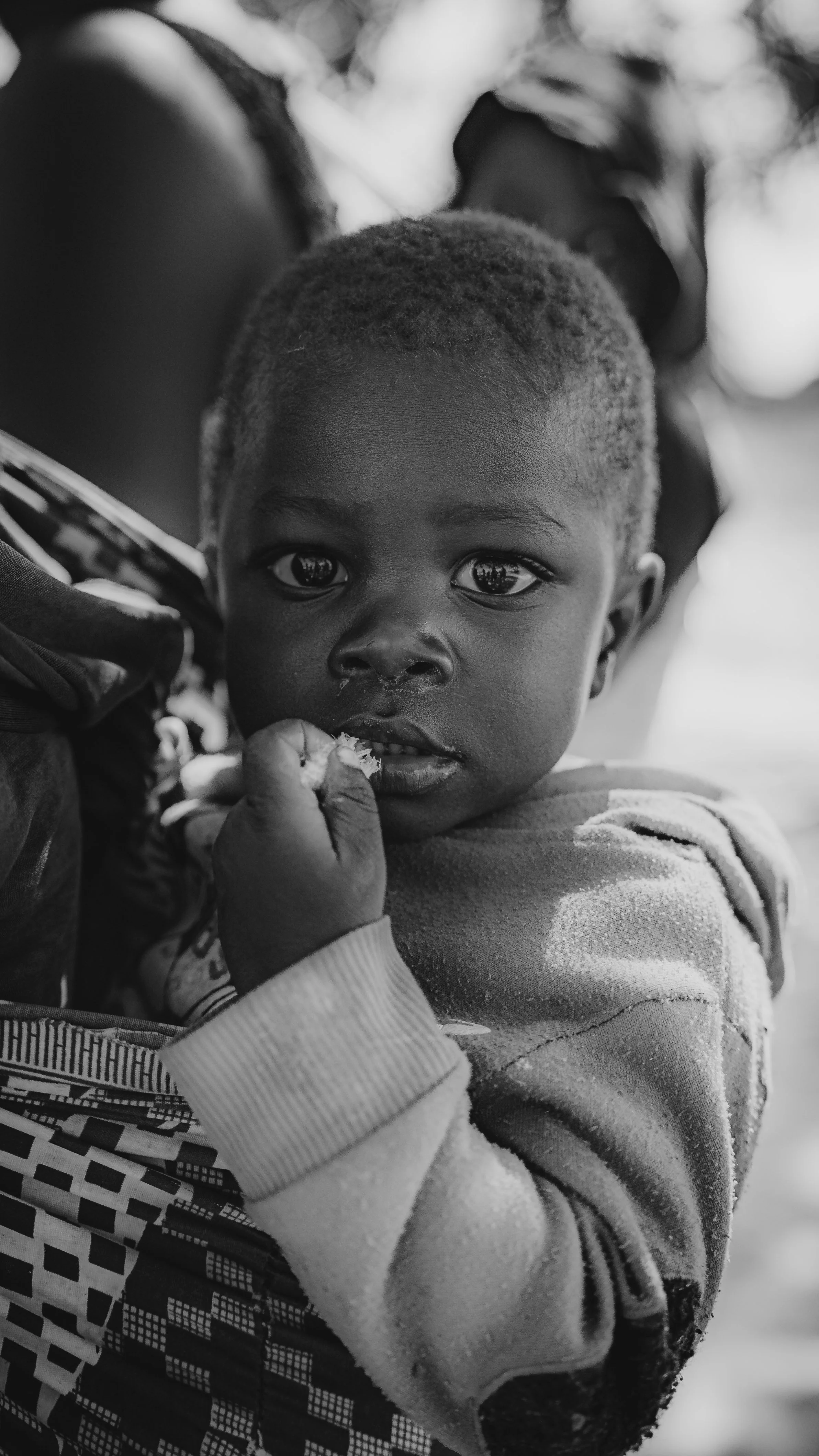
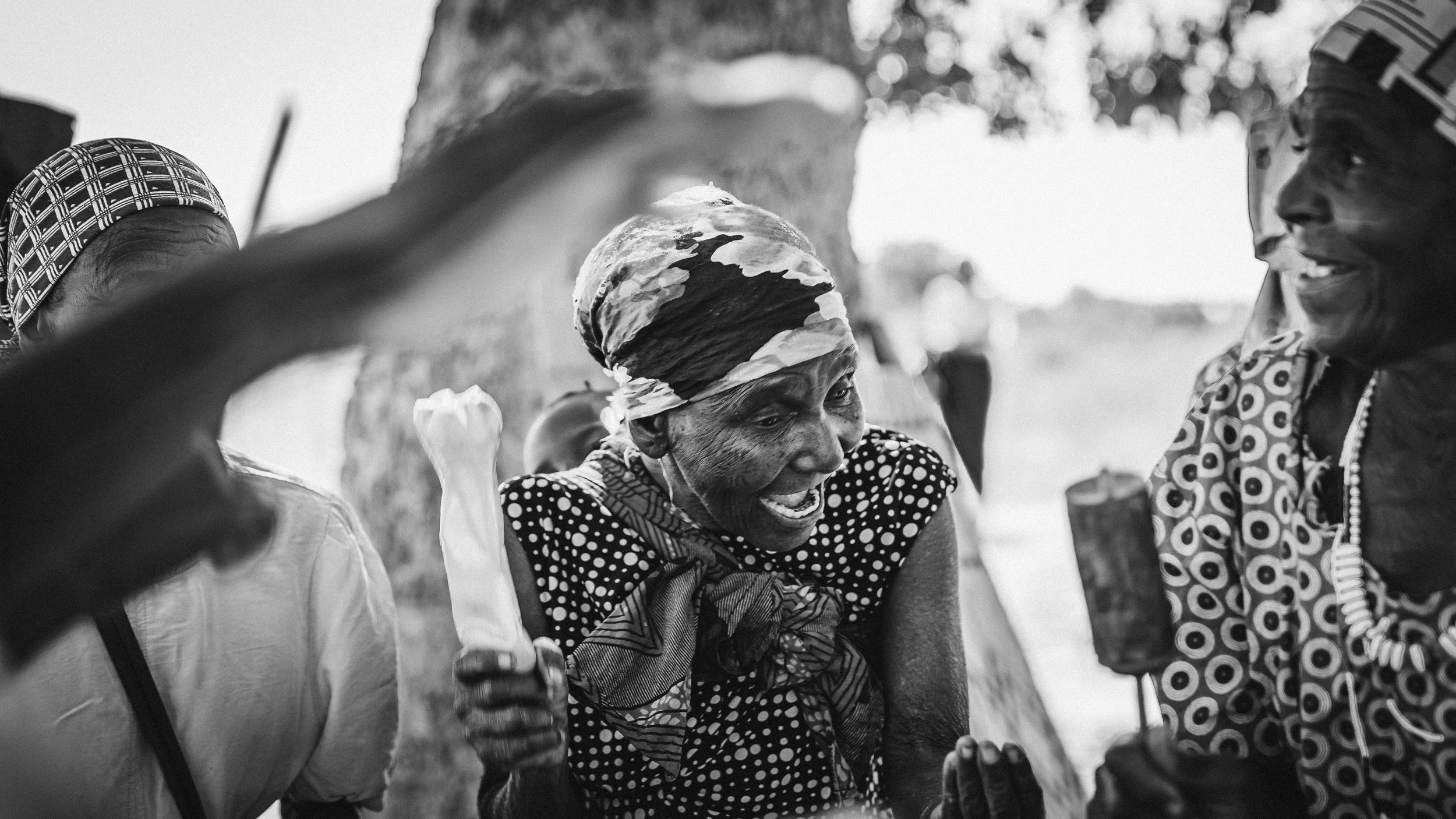
Normally, we plan every detail of our trips ourselves. This time, however, we followed a route that took us across some of the country's most remarkable regions. What made this journey special wasn't just the wildlife or the landscapes, but the people we met along the way. Whether sharing stories with locals, learning about daily life, or simply experiencing Zimbabwe beyond its famous highlights, those encounters became some of the most memorable moments of the trip.
Zimbabwe often flies under the radar compared to some of its neighbours, but after spending time here, we can confidently say it deserves a place on every adventurous traveller's bucket list.


Route
It doesn’t really matter whether you start in Harare or Victoria Falls. We began in Harare and gradually made our way down through the country, ending the loop at Kariba Lake before heading back to Harare. Personally, we enjoyed building up towards this grand finale (of meeting a Tonga family), but the route works just as well in reverse.
Accommodations
Zimbabwe offers a wide range of accommodation options, from comfortable lodges and safari camps to guesthouses and budget-friendly stays. Throughout our journey, we stayed in a mix of places, including accommodations near Matobo National Park, Hwange National Park, Lake Kariba and Victoria Falls. One thing we noticed is that many lodges are located in stunning natural settings, often making the accommodation itself part of the experience.
Transport
To truly explore Zimbabwe, having your own vehicle is by far the best option. Public transport exists, but it is limited if you want to visit national parks and more remote areas. We rented a car and found it gave us the freedom to travel at our own pace and stop whenever something caught our attention. Since the road can be very bad in Zim, we highly recommend a 4×4.
That said, driving in Zimbabwe can be an adventure in itself. Road conditions vary significantly. While some main roads are in decent condition, others contain large potholes and can be slow-going. We encountered some of the roughest roads of our travels on the route between Victoria Falls and Lake Kariba, where driving times were considerably longer than expected. Always allow extra time, avoid driving after dark, and make sure your vehicle is in good condition before setting off. Trust us we know ;)
Food and drinks are generally affordable, especially outside the main tourist hubs. In destinations such as Victoria Falls, prices are higher, but throughout most of the country you can still travel comfortably without spending a fortune.
TRAVELING THROUGH ZIMBABWE
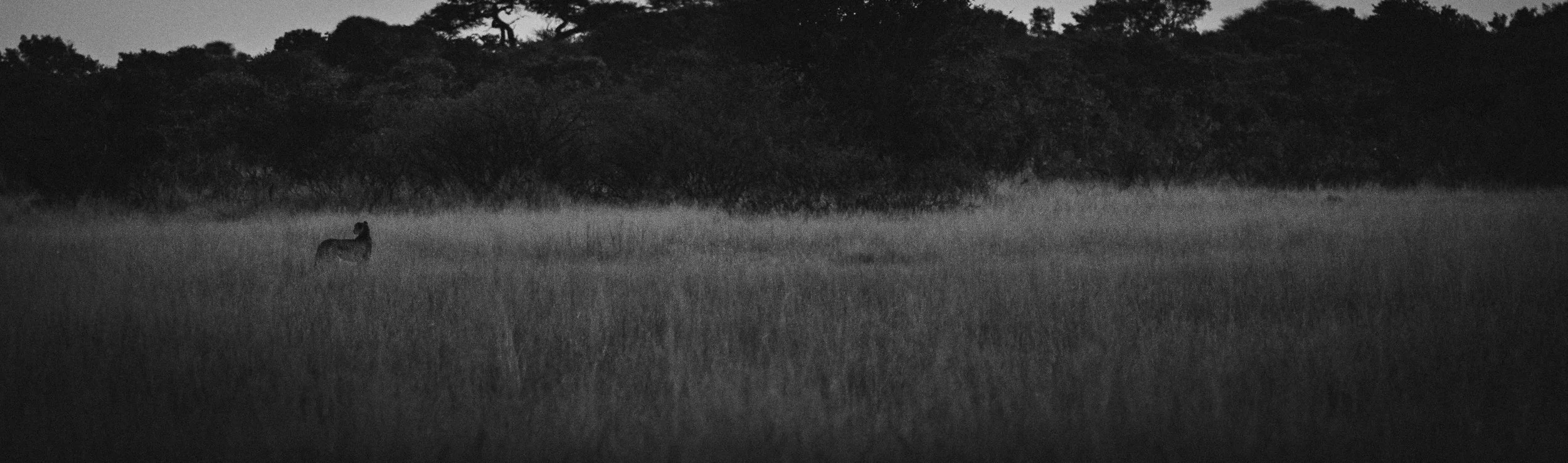
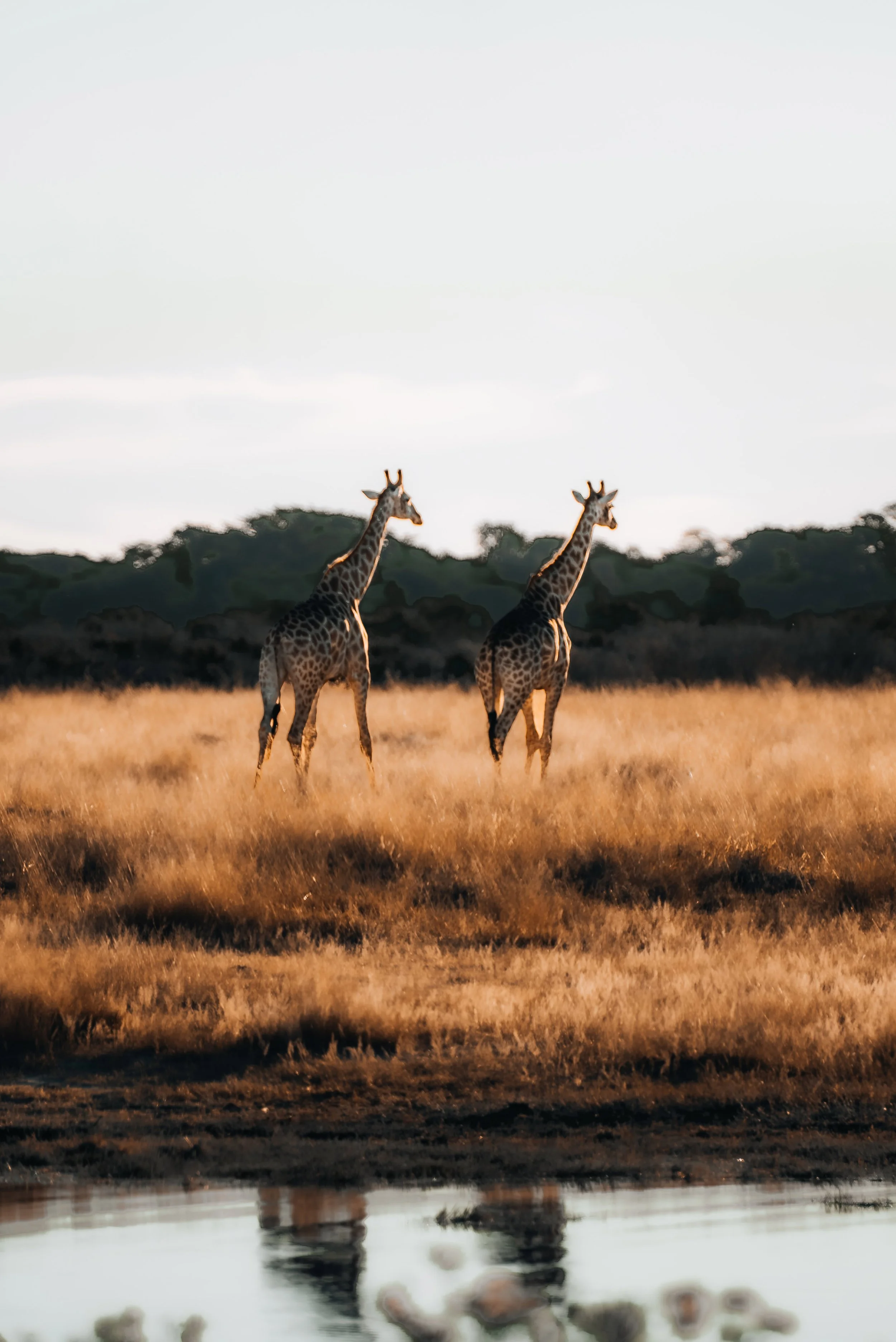
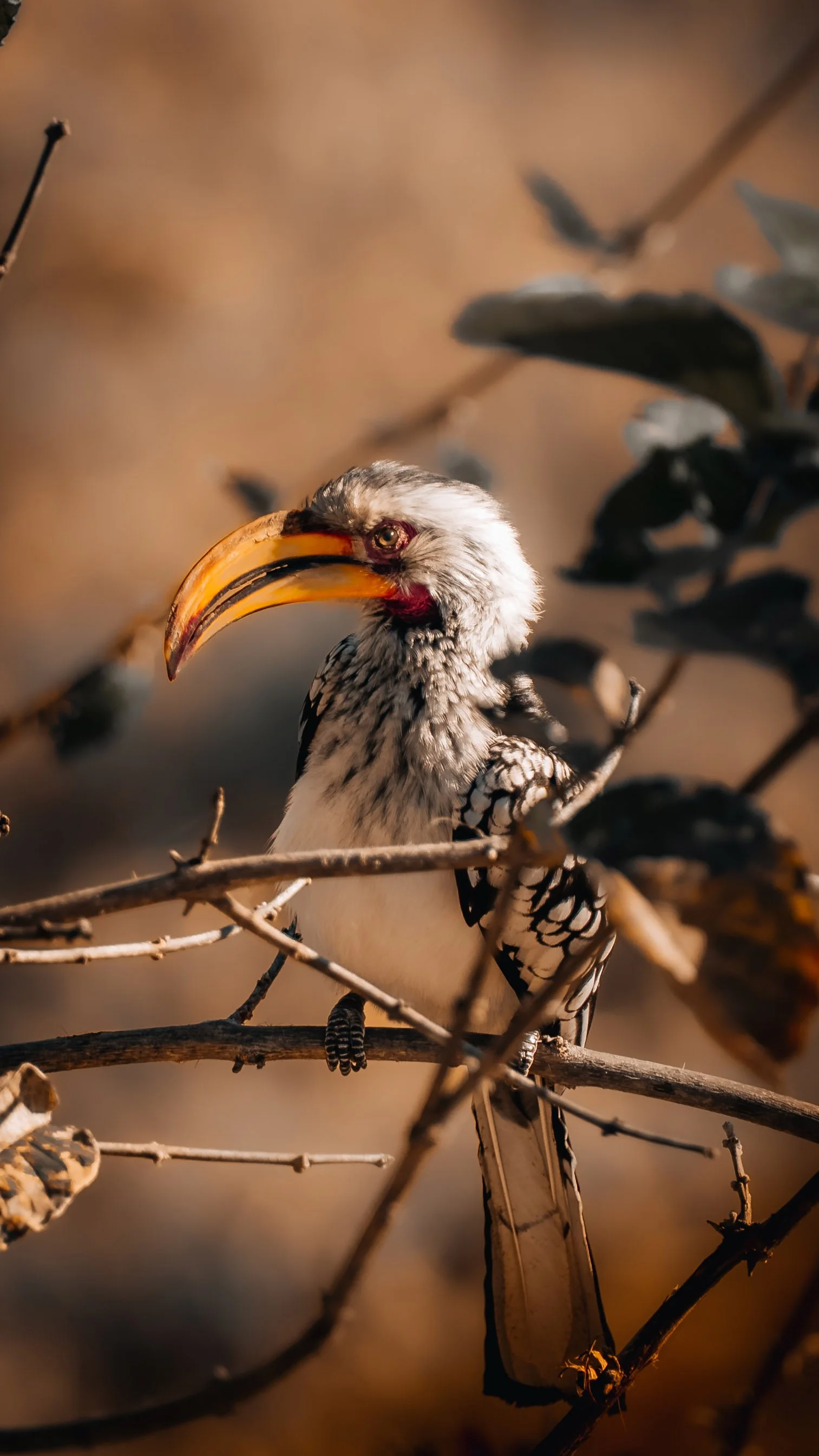
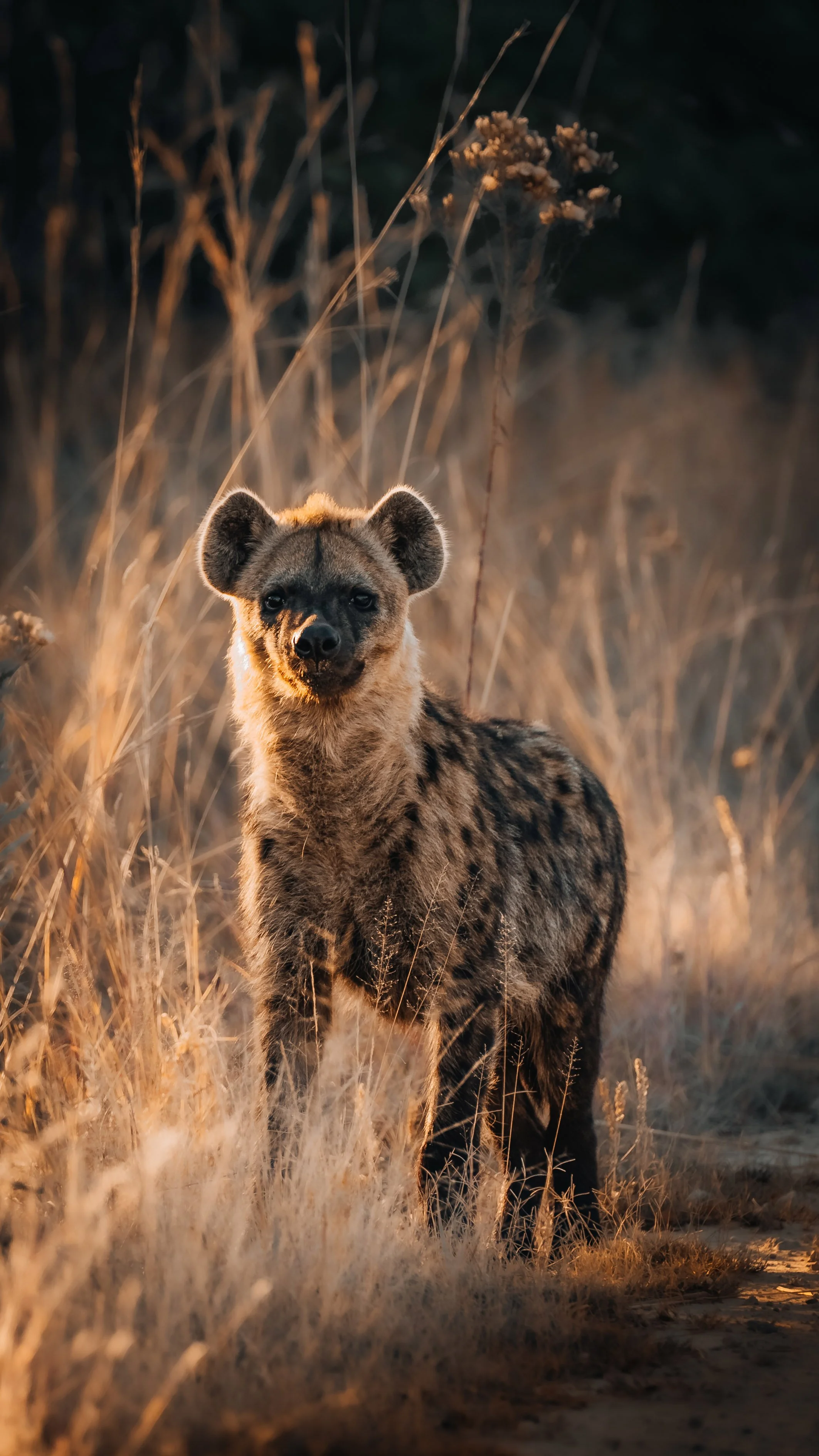
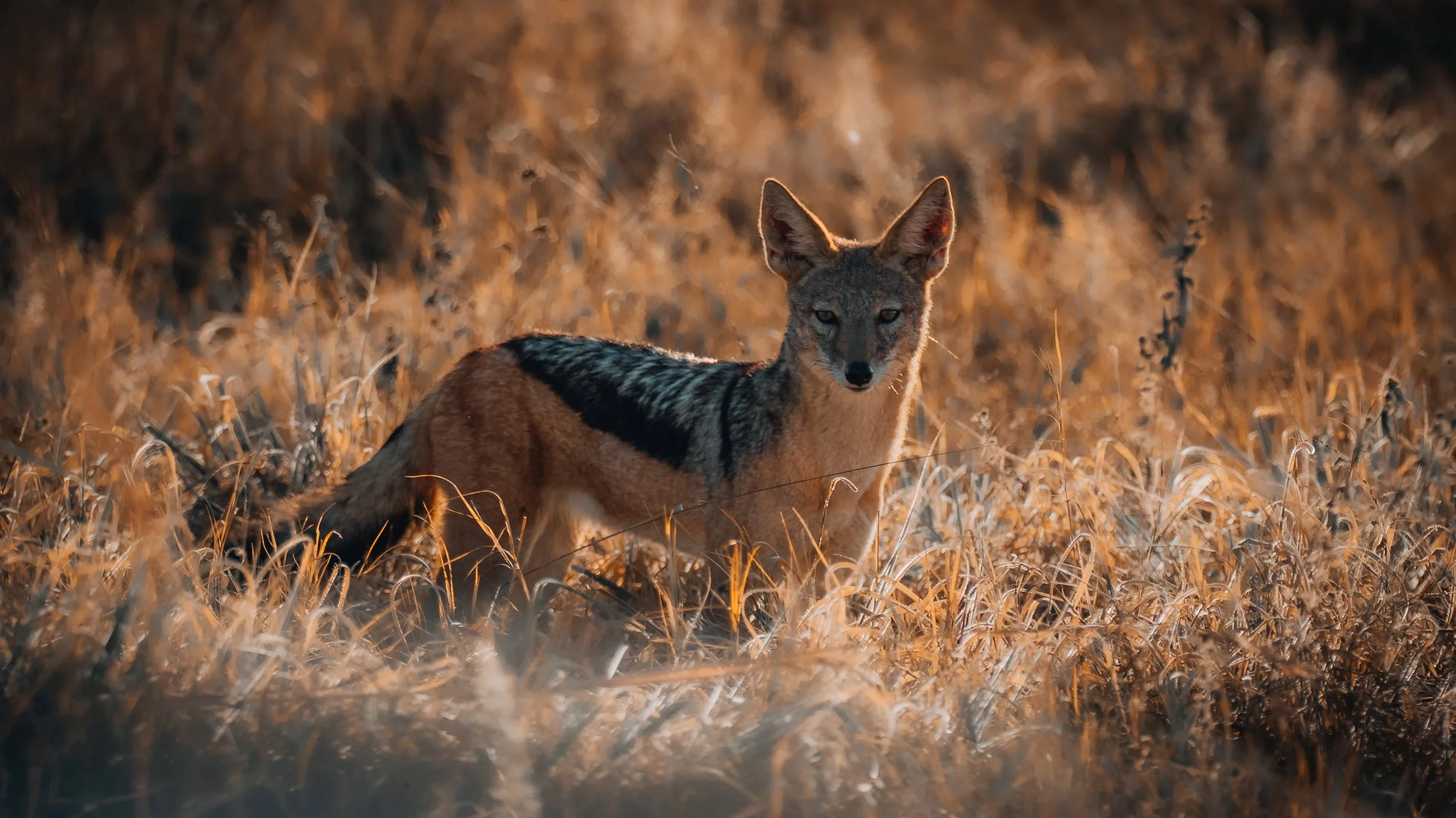
One of the places that surprised us most during our journey through Zimbabwe was Matobo National Park. Located in the south of the country, the landscape here is unlike anywhere else we have been. Giant granite boulders are stacked on top of each other in seemingly impossible formations, creating a scenery that feels almost otherworldly. Some of these balancing rocks have stood here for millions of years and have become one of Zimbabwe's most recognizable landmarks. This is not perse the place for animals, more for landscapes. We did however spot some of them, as you can see down below.
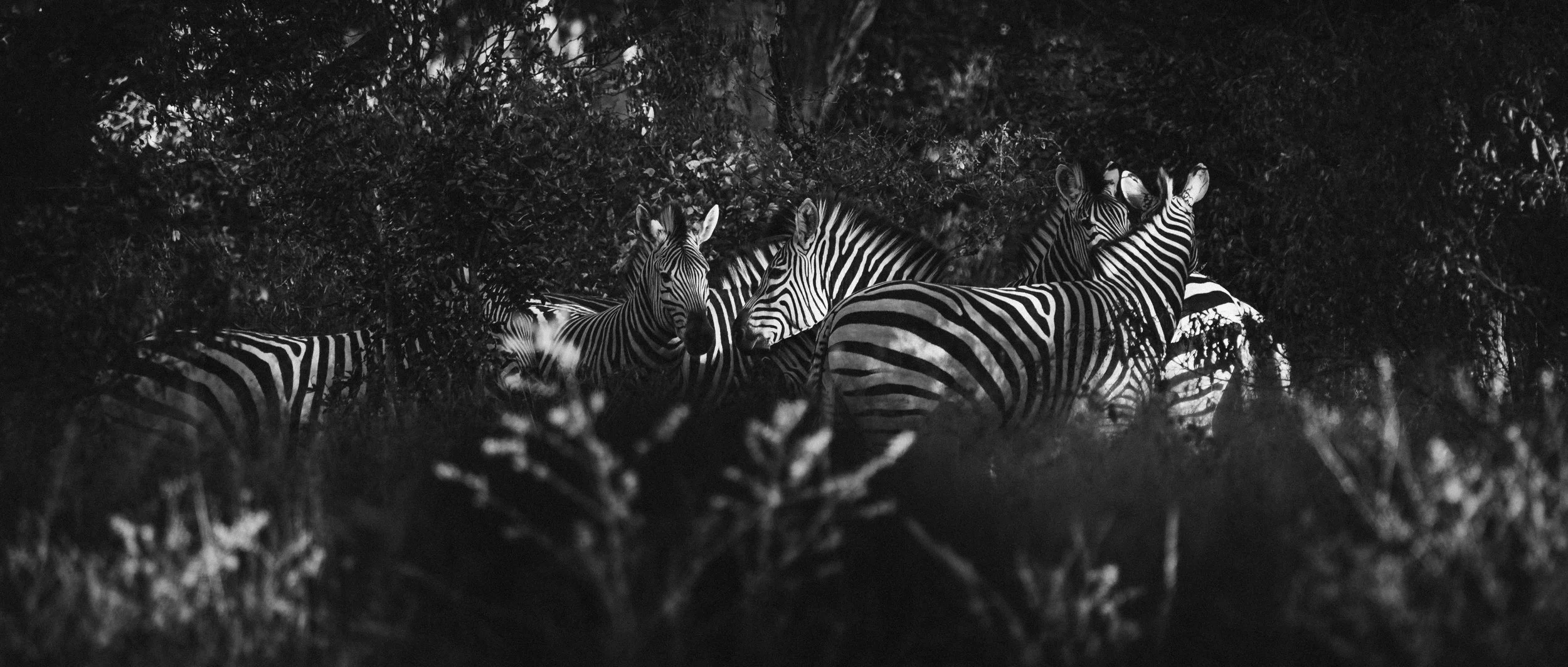
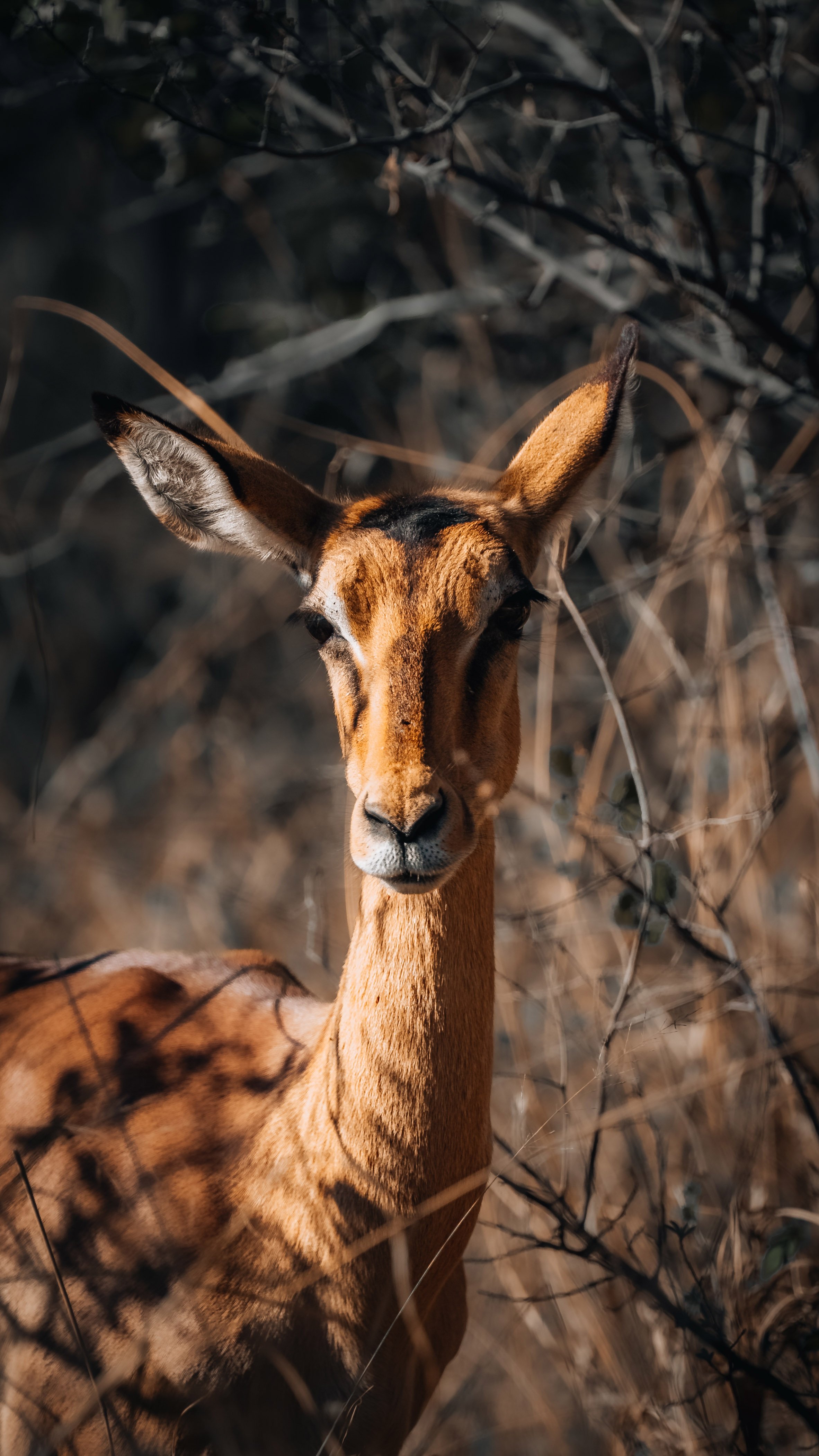
But Matobo is much more than just impressive rock formations. The area holds great cultural and historical significance. Hidden among the hills are ancient rock paintings created thousands of years ago by the San people, offering a fascinating glimpse into the lives of some of Southern Africa's earliest inhabitants.
The park is also one of the best places in Zimbabwe to see both black and white rhinos. Unlike in many other national parks, you can actually track these magnificent animals on foot together with an experienced guide. Standing just a few dozen meters away from a wild rhino is an experience that is difficult to put into words.
Beyond the wildlife and history, Matobo has a unique atmosphere. The combination of dramatic landscapes, rich cultural heritage and remarkable wildlife makes it feel very different from Zimbabwe's more famous safari destinations. It may not receive the same attention as Hwange National Park or Victoria Falls, but it is definitely a great stop!
Where to spend the night: Matopo Ingwe Lodge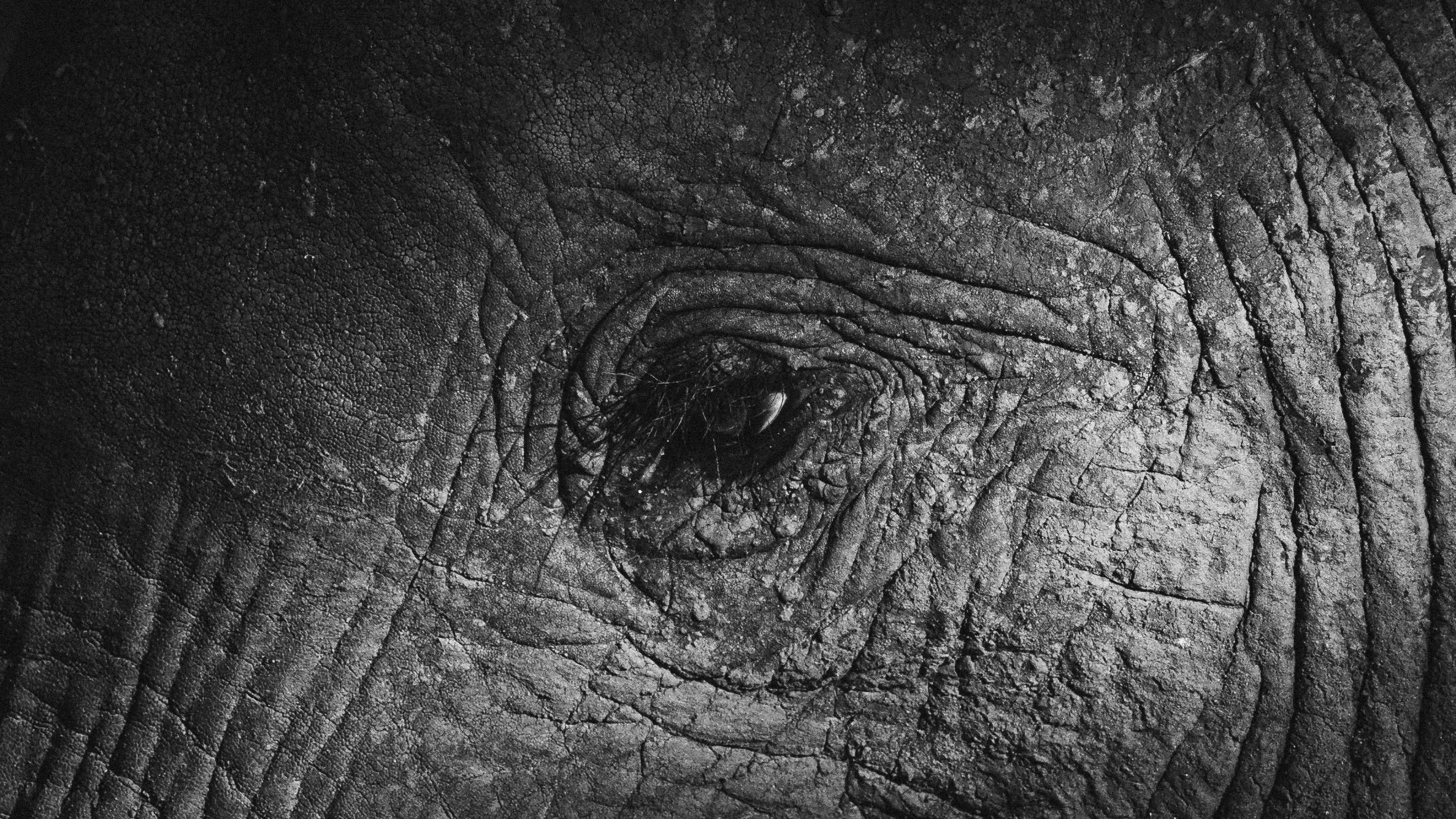
If there is one place in Zimbabwe that truly captures the feeling of an African safari, it is Hwange National Park. As the country's largest national park, Hwange covers an immense area of wilderness and is home to an incredible diversity of wildlife. From vast open plains and dry forests to waterholes teeming with animals, every game drive felt different from the last.
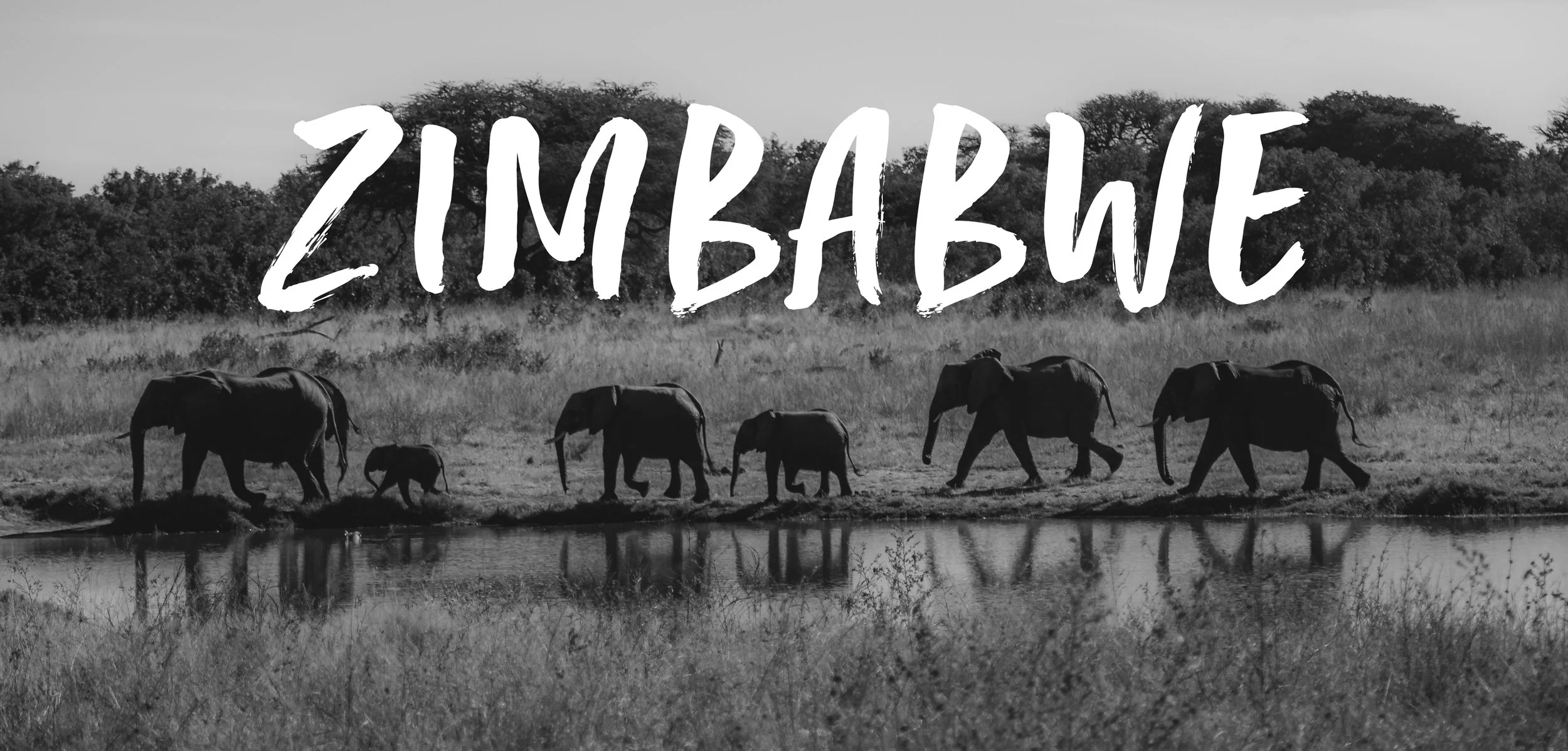
Where to spend the night: Gwango Heritage ResortHwange is particularly famous for its elephant population. During our visit, it wasn't uncommon to see entire herds gathering around waterholes, sometimes with dozens of elephants visible at the same time. Watching young calves play while the older animals calmly drank from the water was one of those classic African safari moments you never forget.
Besides elephants, the park is home to lions, leopards, buffaloes, giraffes, zebras, antelopes and a remarkable variety of birdlife. One of the things we loved most about Hwange was how wild and uncrowded it felt. Unlike some of Africa's more famous safari destinations, we often spent long periods without seeing another vehicle, making every wildlife encounter feel more intimate and authentic.
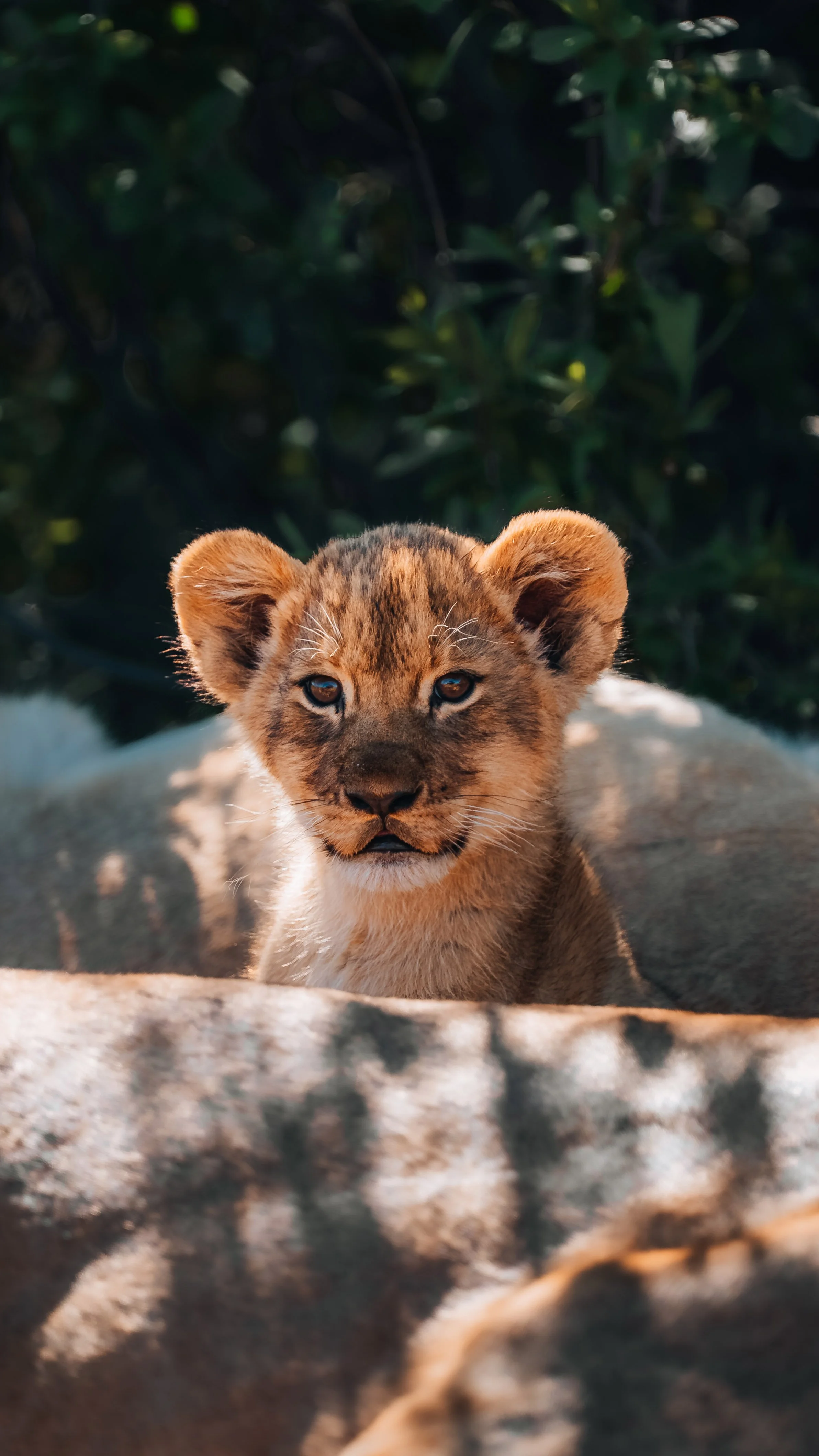
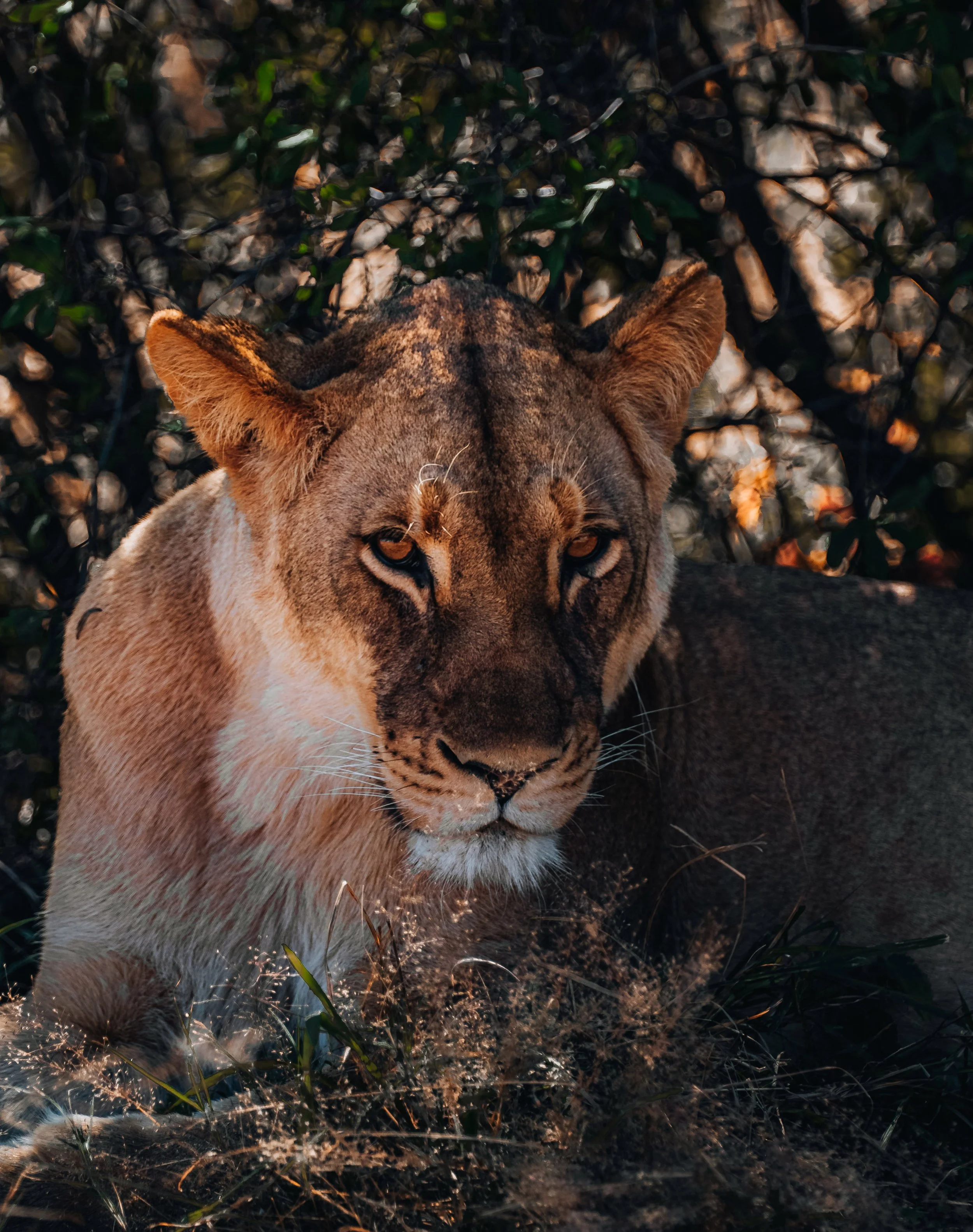
Game drives typically revolve around the park's waterholes, especially during the dry season when animals gather to drink. Sitting quietly at a waterhole and watching wildlife come and go throughout the day can be just as rewarding as actively searching for animals on a drive.
For us, Hwange delivered exactly what we had hoped for when imagining a safari in Africa: vast landscapes, abundant wildlife, unforgettable sunsets and the feeling of being completely immersed in nature. If you're looking for Zimbabwe's premier safari destination, this is undoubtedly the place to be.
Victoria Falls is one of those places that doesn’t really announce itself, it builds up slowly, long before you actually see it.
As you get closer, the air starts to change. There’s a dampness that wasn’t there before, and a distant sound that almost feels like wind, but deeper. Locals call it “the smoke that thunders”, and once you understand why, it makes perfect sense.
Then suddenly, you’re standing at the edge.
The Zambezi River drops into a massive basalt gorge, and the sheer force of the water creates a constant roar that fills everything around you. Mist rises so high it disappears into the sky, drifting back over the viewing paths and soaking everything in seconds. You can’t really take it in all at once, it’s too big, too loud, too alive.
Walking along the viewpoints, each angle reveals something different, curtains of water crashing down, rainbows forming and disappearing in seconds, and cliffs that feel impossibly ancient. Even in moments of silence, the place doesn’t feel quiet.
What stays with you most isn’t just the scale of it, but the feeling of standing somewhere that feels powerful in a way that’s hard to explain, like the landscape itself is constantly in motion, even when you’re not.
Where to stay: Victoria Falls Backpackers lodge.
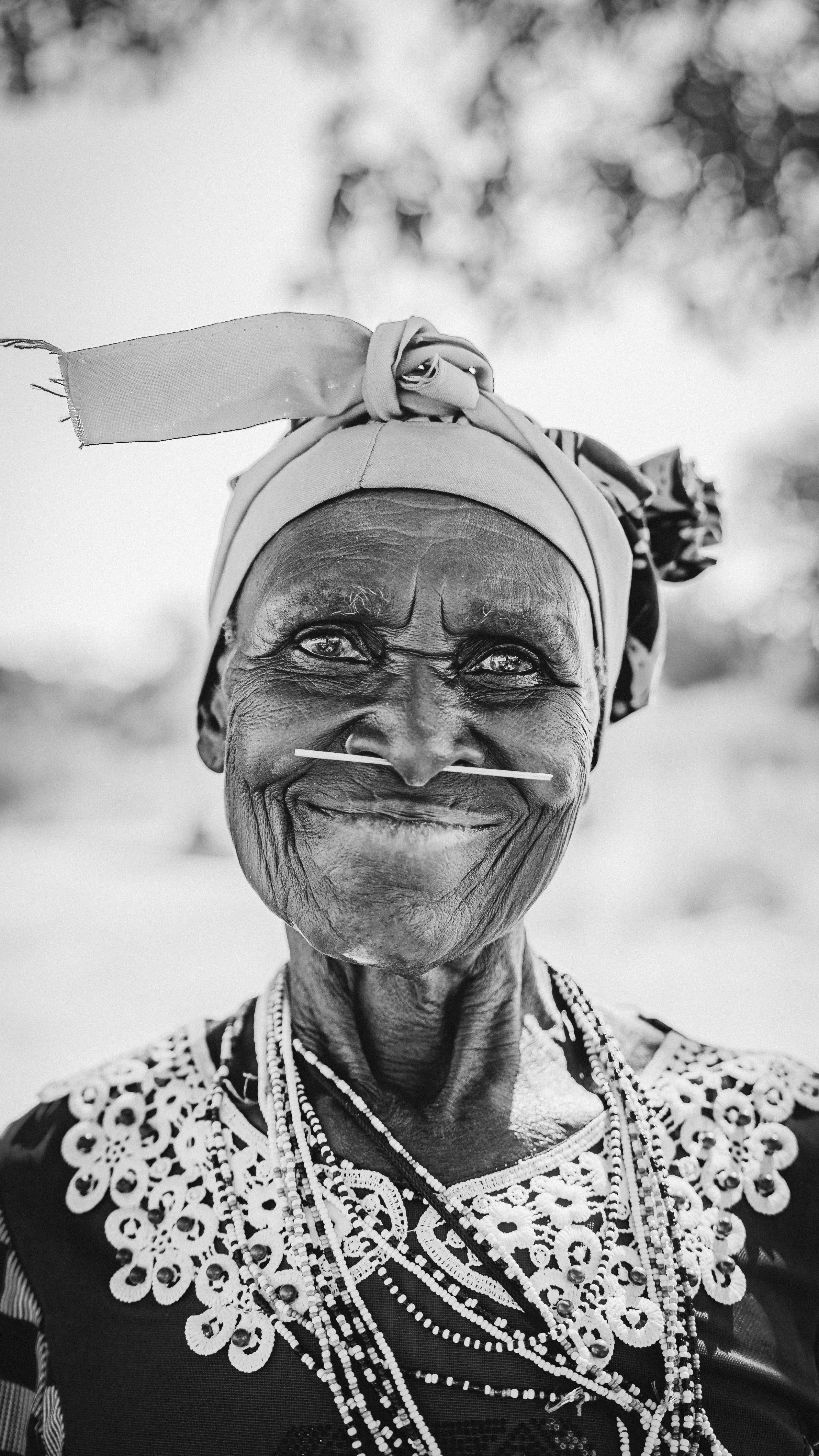
The journey to the Tonga community near Lake Kariba was our grand finale.
Leaving the main routes behind, the landscape slowly shifts into something more remote and rugged. The road along Lake Kariba stretches out in long, uneven lines, cutting through dry land, scattered villages, and open views over the water. What looks close on the map turns into hours of bouncing, swerving, and carefully navigating a road that refuses to be predictable.
Lake Kariba itself runs alongside much of the journey; vast and calm on one side, while the other reveals small settlements, fishing spots, and everyday life unfolding at a slower rhythm. Dust rises behind the car, windows shake slightly with every rough patch, and the sense of distance grows with every kilometre.
Along the way, we passed small Tonga communities that felt deeply connected to the land and water. Fishermen preparing their nets by the shore, children waving as we drove past, and roadside stops where conversations started naturally, even without planning.
Life here is built around movement, adaptation, and making the most of what the land and water provide.
What stands out most from this journey isn’t just the destination, but the experience of getting there: the long, unpredictable road along Lake Kariba, and everything you only notice when you’re forced to slow down and feel the terrain beneath you.
Where to spend the night: Masumu River Lodge